Noticing that you can’t quite hear your friends over dinner at Los Vaqueros is unnerving. Finding out what’s causing the difficulty can provide some much-needed comfort. One possible source of hearing loss is inner ear damage.
Let’s look at how hearing works and how changes in the inner hair can affect the process.
Hearing Starts as Vibration
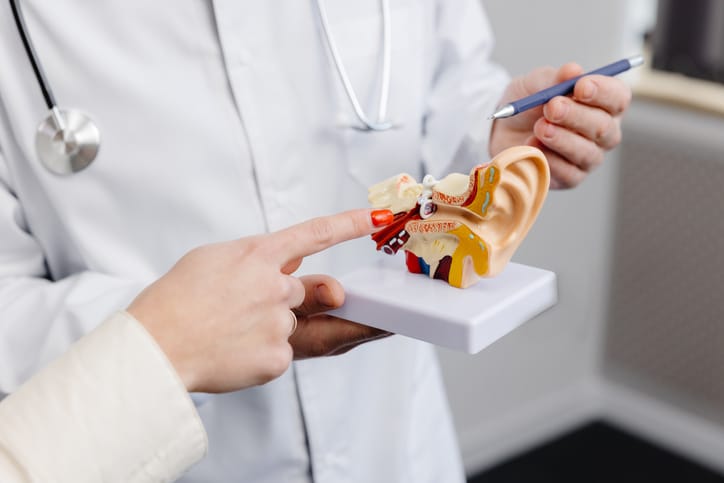
Every sound begins as a wave turned into vibrations that move through the ear. Once those vibrations reach the cochlea, tiny sensory cells convert them into electrical messages that travel to the brain. This process is how we recognize speech, music and environmental sounds.
Those sensory cells can’t withstand unlimited stress, and damage accumulates over time.
Common sources of that damage include:
- Age-related changes
- Long-term noise exposure
- Certain health conditions
- Genetics
- Some medications
When enough of those hair cells die, you will have measurable hearing loss. That cell death rarely happens all at once. Hearing loss often develops gradually because the above conditions cause small amounts of damage. As that damage accumulates, the impact will start to show.
Should I Get My Hearing Checked if Symptoms Are Mild?
Hearing loss, however mild, affects your ability to communicate effectively with the people in your life, listen to your favorite music and enjoy your favorite TV shows. You might even notice that it leaves you feeling more drained at the end of the day due to the effort of piecing together a conversation.
You should schedule a hearing test to determine whether that mild hearing loss is permanent or due to an underlying condition, such as an ear infection or earwax buildup, that is causing temporary hearing loss. If the hearing loss is permanent, we can recommend hearing aids to manage it.
Understanding Your Next Step
A professional hearing test can help determine whether the inner ear is involved in your hearing changes and how significant those changes may be.
Schedule an appointment at Benke Ear Nose & Throat Clinic for your hearing test and, if necessary, treatment consultation.
Sources
1 American Academy of Audiology. (n.d.). Listening fatigue. https://www.audiology.org/consumers-and-patients/hearing-and-balance/fatigue/