Fall is fast approaching in Cleburne. Along with the ability to unabashedly put pumpkin and spiced apple in your baked goods, yogurt, candles and coffee, fall can also bring some sinus inflammation triggers that you need to keep an eye on. Let’s look at a few of those triggers and how you can control them and manage your symptoms for easier breathing this pumpkin- and apple-cider-spiced season.
Ragweed Pollen
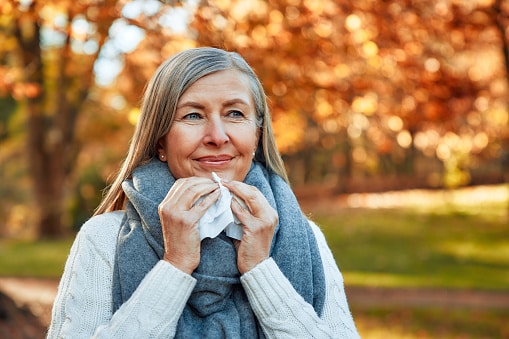
One ragweed plant can produce up to one billion pollen grains.[1] The flurry of ragweed pollen can irritate sensitive sinuses, causing inflammation, congestion, sneezing and facial pressure. If you have weed pollen allergies, check the local pollen count and schedule outdoor adventures for when the count is low. You can also prevent skin allergies by wearing long sleeves and pants—a much easier thing to do when the crisp fall air comes in. If allergen avoidance doesn’t control your allergies well enough, you can try medication or a longer-term treatment called immunotherapy.
Campfires
Cozying up around a campfire with a bag of marshmallows, a sleeve of graham crackers and a pile of chocolate is a fall-favorite activity. Unfortunately, the campfire smoke isn’t a fall favorite; the smoke can irritate your sinuses. If you’re sitting around a campfire, do your best to move away from the smoke or, if possible, get a smokeless fireplace.
Cold Weather
Cold weather can dry out the tissues in your sinuses, causing them to crack, bleed or become inflamed. If we get a bad cold snap in Texas, remember to bundle up and wear a scarf or gaiter around your nose and mouth to keep your sinuses hydrated.
Indoor Heating
The dry air that indoor heating fills your home with can dry out your sinuses just like cold air. If the humidity drops below 40%, try running a dehumidifier occasionally to ease sinus dryness.
Address Illness Early
Colds, flu and allergies can quickly turn into sinus infections if left untreated. Take medication to manage your symptoms and seek help from your doctor if they worsen.
By following the above tips, you can reduce your risk of sinus inflammation this fall and winter. Contact Benke Ear Nose & Throat Clinic today if sinus symptoms worsen or last longer than a week after illness.
[1] Asthma and Allergy Foundation of America. (2023). Ragweed pollen allergy. https://aafa.org/allergies/types-of-allergies/pollen-allergy/ragweed-pollen/